Help Needed To Rescue UK’s Old Rainfall Records
Are you sitting around the house, completely isolated from the outside world because of the CoronaVirus’ social isolation requirements? Are you bored? Would you like to help meteorologists, historians, and others with a crowdsourcing effort? There’s a great crowdsourcing project that needs your help.
The UK has rainfall records dating back 200 years or so, but the vast majority of these are in handwritten form and can’t easily be used to analyze past periods of flooding and drought. The Rainfall Rescue Project is seeking volunteers to transfer all the data into online spreadsheets.

You’re not required to rummage through old bound volumes; the Met Office has already scanned the necessary documents — all 65,000 sheets. You simply have to visit a website, read the scribbled rainfall amounts and enter the numbers into a series of boxes.
“If you do just a couple of minutes every now and then — that’s great,” said Prof Ed Hawkins. “If you want to spend an hour doing 30 or 40 columns – then that’ll be amazing. But any amount of time, it will all add up and be a tremendous help.”
If you want to take part, go to https://www.zooniverse.org/
|
Tuesday, March 31, 2020
Help Needed To Rescue UK’s Old Rainfall Records

Sunday, March 29, 2020
Ancestry Library Edition available at home!
 |
| San Mateo County Libraries Website is at https://smcl.org/resource/ancestry-library-edition-from-home-use/ |
Ancestry.com and ProQuest are providing public libraries with temporary remote access to Ancestry Library Edition through April 30, 2020. All you need to do is to click the link on our website and log in with your library card number and PIN.
Please note that Ancestry Library Edition has some differences from the consumer version of Ancestry. The family tree building tool, for example, is not available in Ancestry Library Edition nor are the DNA capabilities. For a full list of differences between the two products, visit this page from ProQuest.
When you get there, the trick is to click on Ancestry Library Edition (from home use)
Enter your card number and pin, and it should take you right there. Similar services are available from the Palo Alto Library System and other library websites.
Check your local library for further information.
Special thanks to Sara Hayden for following up on this with the librarian and getting an answer. 👍
Wednesday, March 25, 2020
Announcing The National Emergency Library
|

|
|
|
|

|
|
|

|
|
|

|
|
|
Monday, March 23, 2020
Stay active and connected online
This is a great time to stay home in your bunny slippers and do some genealogy online. Many societies have webinars and tutorials available for free to the public. Check out some of the offerings below:
| FREE SCGS WEBINAR http://www.scgsgenealogy.com Saturday, April 4 at 10am (PST) Foundations to Researching in Europe by Julie Goucher In this presentation we consider the broad elements of researching a European surname and then expand outwards to include other important factors such as culture, geography, borders and links with other areas outside of Europe, including the influence of European Empires. We too explore religion, history, languages including alphabet and dialects. We further address naming patterns across Europe. Julie Goucher has been a keen genealogist since the late 1980s, and has a special interest in Italian and European family history. She is a published author and writes regularly for a number of genealogical magazines and journals. She is also the tutor for the Pharos course, Introduction to One-Name Studies.
WEBINARS https://www.americanancestors.org/education/online-classes
Treasures of New England Historic Genealogical SocietyPresented by Curt DiCamillo, FRSA |


And 2019 London RootsTech Sessions! With accents!
https://www.rootstech.org/category/2019-london-rootstech-sessions
Thursday, March 19, 2020
The Virtual Genealogist March 19th
Here's a query which has VG stumped. Our loyal readers offer some suggestions:
I am looking for a baptism record for my grandmother, Olive McCormack. Her parents were John Henry Arthur James (!)McCormack and Mary Jane Kelley. Her obituary (Powell, Wyoming Tribune of 17 Jan 1929) says she was born 17 Aug 1905 at Buncombe, Illinois. “When eight years old, she was baptised a member of the Latter Day Saints.” They were living in Independence, Missouri at the time. My assumption is that the family was part of the Reorganized Church of Jesus Christ of Latter-day Saints, RLDS, since the family did not move to Salt Lake City with Brigham Young. I found no record of her or her family in the LDS records in the Family History Library in Salt Lake City. Can anyone give me clues where to look?
_____________________________________________________________________
Sara Hayden responds:
The VG responds:
I am looking for a baptism record for my grandmother, Olive McCormack. Her parents were John Henry Arthur James (!)McCormack and Mary Jane Kelley. Her obituary (Powell, Wyoming Tribune of 17 Jan 1929) says she was born 17 Aug 1905 at Buncombe, Illinois. “When eight years old, she was baptised a member of the Latter Day Saints.” They were living in Independence, Missouri at the time. My assumption is that the family was part of the Reorganized Church of Jesus Christ of Latter-day Saints, RLDS, since the family did not move to Salt Lake City with Brigham Young. I found no record of her or her family in the LDS records in the Family History Library in Salt Lake City. Can anyone give me clues where to look?
_____________________________________________________________________
Sara Hayden responds:
1. Explore Jackson County (where Independence is located) on the Family Search Wiki: https://www.
2. Explore Jackson County Genealogical Society's website: http://www.jcgs.org/.
3. Explore Jackson County Historical Society's website: https://www.jchs.org/
4. Explore Jackson County Clerk of the County's website: https://www.
5. Explore Independence, MO's, City Clerk website: https://www.ci.
6. From Wikipedia: "The Temple Lot, located in Independence, Jackson County, Missouri, is the first site to be dedicated for the construction of a temple in the Latter Day Saint movement." LDS a big deal (may still be) in Independence. For full Wikipedia article: https://en.wikipedia.
7. The Midwest Genealogy Center, a part of the Mid-Continent Public Library, is also located in Independence. Explore their site: https://www.mymcpl.org/
8. If our inquirer is local, I'd suggest visiting the Family History Center in Oakland (temporarily closed). The people who volunteer there are very helpful.
_________________________________________________________________The VG responds:
http://www.latterdaytruth.org/pdf/101055.pdf
=================================================================
My very Southern g-g-gf left California during the Civil War for Mexico and wound up in Texas with a second wife, a widow that he’d married in Mississippi. In Texas he claimed his first wife had died, but she in fact outlived him and all but one of their children. I found no record of a divorce in the California counties where they had lived. Are there other places where one can look for a divorce record in the 1860s? He was a lawyer, postmaster, mayor, and state senator in California so one might assume he had some knowledge of the legal system.
__________________________________________________________________
My very Southern g-g-gf left California during the Civil War for Mexico and wound up in Texas with a second wife, a widow that he’d married in Mississippi. In Texas he claimed his first wife had died, but she in fact outlived him and all but one of their children. I found no record of a divorce in the California counties where they had lived. Are there other places where one can look for a divorce record in the 1860s? He was a lawyer, postmaster, mayor, and state senator in California so one might assume he had some knowledge of the legal system.
__________________________________________________________________
The VG responds: Given that he held such prominent jobs, you have a good chance of finding out some of this story. Here are some places you could look:
- California census for the wife's marital status in the following years (1880 shows this, not all do). Who is she living with? Children? Other family? Does she own or rent?
- Are there any property records for her residence? And for husband?
- Military records for husband. Who is listed as next of kin?
- Newspapers for California. Especially the social and legal pages.
- Street directories for California. Do they mention the wife?
- Court records for that county. Look for property or financial disputes.
- Death records for wife and children.
- County historical or genealogical societies for biographies or newspaper clippings.
- Records and newsletters of fraternal, professional, or other organizations he belonged to.
- Professional licensing organizations (bar association, etc.)
- Religion! Is divorce not allowed? Would she not give one? You need a complete social history to make a reasonable assumption of what happened here.
Tuesday, March 17, 2020
The Virtual Genealogist March 18th
Here are some answers to yesterday's queries. Want to play along? Submit your queries and answers to publications@smcgs.org.
My grandparents, with all of their family of 10, immigrated from England (Croyden, south of London) to San Mateo County between 1907 and 1910, finding work on wealthy estates.
They came “directly” to San Mateo as their intended destination, but I don’t know of the the stops along the way, or where they first entered the US.
Initial cursory attempts to search for immigration records have come up empty.
So, I have three questions:
1. Where/how do I focus my search to find their travel path and dates (e.g. ship records, immigration records)?
2. What would be common transport paths from England to San Mateo? Somewhere I heard to Canada, then to US at Detroit, the presumably by train to San Francisco. Others have said, Canada, cross Canada by train, then to SF via ship from BC, Canada. Were there a small number of most common paths for English immigrants during those years?
3. Any surmises in why in that era (1907-1910) a family of 10 would leave England and end up in San Mateo, apparently the intended destination from the get-go? They were lower working class, so I assume they saw a grim future in England. And perhaps they heard about the 1906 earthquake and the huge need for labor to rebuild, so they chose SF as their destination. Make sense? Any other thoughts?
__________________________________________________________________________
The VG responds: If I wanted to leave Croyden in the 1906 (the date on the census page) I would probably hop a ship from Southampton to New York or Boston. The Croyden aerodrome didn't open until 1920, and the Panama Canal wasn't completed until 1914. Here are some places to look for ship lists. Remember that there is a difference between manifests, ship lists, and arrival lists.
Not just from Norway: Passenger lists and emigrant ships from Norway Heritage http://www.norwayheritage.com
Immigrant Ship Transcribers Guild https://www.immigrantships.net
The Ships List http://www.theshipslist.com/ships/passengerlists/
Specifically for Southampton
https://www.gjenvick.com/Passengers/Ports/Southampton-PassengerLists.html
It's possible that they came through Canada. As British citizens, this may have been easier. The US did keep track of border crossings, so you could look here:
Border Crossings from Canada to U.S., 1895-1960 https://www.ancestry.com/search/collections/1075/
And don't forget Ellis Island 1892 to 1924https://www.libertyellisfoundation.org
The transcontinental railway was opened in 1869. This was a likely means of transport. I haven't seen any passenger lists for the railway.
Why would they want to leave Croyden? Have you BEEN to Croyden? OK, it's nicer now, but wasn't a hotbed of industry in 1906.
It looks like you might have some chain migration here. A brother is in San Mateo. Other things to consider:
Who did they come with? Check the census and directories for possible friends and relatives.
Was religion a factor?
What was their occupation in England? In the US?
What was going on in San Mateo in the 1910s? Lumber? Mining? Construction?
Any financial incentives to come here? Newspaper ads? Employment?
Check the California Digital Newspaper Collection. There are some articles about the estates you mentioned around that time period. https://cdnc.ucr.edu
I always think there's a reason families moved to a particular place at a particular time.
- VG
=========================================================================
My family name gets spelled many different ways once you get back to the 17th and 18th C. What is the best way to decide on how you enter a name in Ancestry or your software of choice? Birth record? Death? Also, how best to enter the names people went by when those bore no relation to their formal name.
____________________________________________________________________
The VG responds: The purpose of posting online for any site is for people to find you. In this case, you're better off using the most common recent spelling for the name of the tree. I've seen some names using variations with a slash "Smith/Smythe tree". And I've seen come cases where it gets unmanageable, with every possible variation in the name in every single entry.
For your own records, you may find that the name changes over generations. On my tree, I use the older spelling for those generations, switching to the recent one later. Try to be consistent within the records for an individual, so that you don't end up with three different names for the same person.
Which to use when the records can't agree? Birth records are usually reliable, death records less so, census not at all. But I try to find the way my ancestor signed him/her self and use that.
When the name they used is not their legal/formal name? The standard is usually to record the name as on documents, with the common name in brackets. "John Percival (Bud) Smith". Remember you want people to find them when they may not be aware of the common usage name.
And of course if you use too many spelling variations, it plays havoc with your index!
-VG
My grandparents, with all of their family of 10, immigrated from England (Croyden, south of London) to San Mateo County between 1907 and 1910, finding work on wealthy estates.
They came “directly” to San Mateo as their intended destination, but I don’t know of the the stops along the way, or where they first entered the US.
Initial cursory attempts to search for immigration records have come up empty.
So, I have three questions:
1. Where/how do I focus my search to find their travel path and dates (e.g. ship records, immigration records)?
2. What would be common transport paths from England to San Mateo? Somewhere I heard to Canada, then to US at Detroit, the presumably by train to San Francisco. Others have said, Canada, cross Canada by train, then to SF via ship from BC, Canada. Were there a small number of most common paths for English immigrants during those years?
3. Any surmises in why in that era (1907-1910) a family of 10 would leave England and end up in San Mateo, apparently the intended destination from the get-go? They were lower working class, so I assume they saw a grim future in England. And perhaps they heard about the 1906 earthquake and the huge need for labor to rebuild, so they chose SF as their destination. Make sense? Any other thoughts?
__________________________________________________________________________
The VG responds: If I wanted to leave Croyden in the 1906 (the date on the census page) I would probably hop a ship from Southampton to New York or Boston. The Croyden aerodrome didn't open until 1920, and the Panama Canal wasn't completed until 1914. Here are some places to look for ship lists. Remember that there is a difference between manifests, ship lists, and arrival lists.
Not just from Norway: Passenger lists and emigrant ships from Norway Heritage http://www.norwayheritage.com
Immigrant Ship Transcribers Guild https://www.immigrantships.net
The Ships List http://www.theshipslist.com/ships/passengerlists/
Specifically for Southampton
https://www.gjenvick.com/Passengers/Ports/Southampton-PassengerLists.html
It's possible that they came through Canada. As British citizens, this may have been easier. The US did keep track of border crossings, so you could look here:
Border Crossings from Canada to U.S., 1895-1960 https://www.ancestry.com/search/collections/1075/
And don't forget Ellis Island 1892 to 1924https://www.libertyellisfoundation.org
The transcontinental railway was opened in 1869. This was a likely means of transport. I haven't seen any passenger lists for the railway.
Why would they want to leave Croyden? Have you BEEN to Croyden? OK, it's nicer now, but wasn't a hotbed of industry in 1906.
It looks like you might have some chain migration here. A brother is in San Mateo. Other things to consider:
Who did they come with? Check the census and directories for possible friends and relatives.
Was religion a factor?
What was their occupation in England? In the US?
What was going on in San Mateo in the 1910s? Lumber? Mining? Construction?
Any financial incentives to come here? Newspaper ads? Employment?
Check the California Digital Newspaper Collection. There are some articles about the estates you mentioned around that time period. https://cdnc.ucr.edu
I always think there's a reason families moved to a particular place at a particular time.
- VG
=========================================================================
My family name gets spelled many different ways once you get back to the 17th and 18th C. What is the best way to decide on how you enter a name in Ancestry or your software of choice? Birth record? Death? Also, how best to enter the names people went by when those bore no relation to their formal name.
____________________________________________________________________
The VG responds: The purpose of posting online for any site is for people to find you. In this case, you're better off using the most common recent spelling for the name of the tree. I've seen some names using variations with a slash "Smith/Smythe tree". And I've seen come cases where it gets unmanageable, with every possible variation in the name in every single entry.
For your own records, you may find that the name changes over generations. On my tree, I use the older spelling for those generations, switching to the recent one later. Try to be consistent within the records for an individual, so that you don't end up with three different names for the same person.
Which to use when the records can't agree? Birth records are usually reliable, death records less so, census not at all. But I try to find the way my ancestor signed him/her self and use that.
When the name they used is not their legal/formal name? The standard is usually to record the name as on documents, with the common name in brackets. "John Percival (Bud) Smith". Remember you want people to find them when they may not be aware of the common usage name.
And of course if you use too many spelling variations, it plays havoc with your index!
-VG
Sunday, March 15, 2020
The Virtual Genealogist March 16th
Can you help with this query? Please send your suggestions to publications@smcgs.org. Answers will be posted March 17th.
My grandparents, with all of their family of 10, immigrated from England (Croyden, south of London) to San Mateo County between 1907 and 1910, finding work on wealthy estates. Some census records conflict on exact years, but they are all 1907-1910. And I believe they came in at least two separate groups.
They came “directly” to San Mateo as their intended destination, but I don’t know of the the stops along the way, or where they first entered the US.
Initial cursory attempts to search for immigration records have come up empty.
So, I have three questions:
1. Where/how do I focus my search to find their travel path and dates (e.g. ship records, immigration records)?
2. What would be common transport paths from England to San Mateo? Somewhere I heard to Canada, then to US at Detroit, the presumably by train to San Francisco. Others have said, Canada, cross Canada by train, then to SF via ship from BC, Canada. Were there a small number of most common paths for English immigrants during those years?
3. Any surmises in why in that era (1907-1910) a family of 10 would leave England and end up in San Mateo, apparently the intended destination from the get-go? They were lower working class, so I assume they saw a grim future in England. And perhaps they heard about the 1906 earthquake and the huge need for labor to rebuild, so they chose SF as their destination. Make sense? Any other thoughts?
_______________________________________________________________
And another. Try this one??
My family name gets spelled many different ways once you get back to the 17th and 18th C. What is the best way to decide on how you enter a name in Ancestry or your software of choice? Birth record? Death? Also, how best to enter the names people went by when those bore no relation to their formal name.
____________________________________________________________________
Scandal in the family!
My very Southern g-g-gf left California during the Civil War for Mexico and wound up in Texas with a second wife, a widow that he’d married in Mississippi. In Texas he claimed his first wife had died, but she in fact outlived him and all but one of their children. I found no record of a divorce in the California counties where they had lived. Are there other places where one can look for a divorce record in the 1860s? He was a lawyer, postmaster, mayor, and state senator in California so one might assume he had some knowledge of the legal system.
My grandparents, with all of their family of 10, immigrated from England (Croyden, south of London) to San Mateo County between 1907 and 1910, finding work on wealthy estates. Some census records conflict on exact years, but they are all 1907-1910. And I believe they came in at least two separate groups.
They came “directly” to San Mateo as their intended destination, but I don’t know of the the stops along the way, or where they first entered the US.
Initial cursory attempts to search for immigration records have come up empty.
So, I have three questions:
1. Where/how do I focus my search to find their travel path and dates (e.g. ship records, immigration records)?
2. What would be common transport paths from England to San Mateo? Somewhere I heard to Canada, then to US at Detroit, the presumably by train to San Francisco. Others have said, Canada, cross Canada by train, then to SF via ship from BC, Canada. Were there a small number of most common paths for English immigrants during those years?
3. Any surmises in why in that era (1907-1910) a family of 10 would leave England and end up in San Mateo, apparently the intended destination from the get-go? They were lower working class, so I assume they saw a grim future in England. And perhaps they heard about the 1906 earthquake and the huge need for labor to rebuild, so they chose SF as their destination. Make sense? Any other thoughts?
_______________________________________________________________
And another. Try this one??
I am looking for a baptism record for my grandmother, Olive McCormack. Her parents were John Henry Arthur James (!)McCormack and Mary Jane Kelley. Her obituary (Powell, Wyoming Tribune of 17 Jan 1929) says she was born 17 Aug 1905 at Buncombe, Illinois. “When eight years old, she was baptised a member of the Latter Day Saints.” They were living in Independence, Missouri at the time. My assumption is that the family was part of the Reorganized Church of Jesus Christ of Latter-day Saints, RLDS, since the family did not move to Salt Lake City with Brigham Young. I found no record of her or her family in the LDS records in the Family History Library in Salt Lake City. Can anyone give me clues where to look?
_________________________________________________________
You can answer as many as you want!
____________________________________________________________________
Scandal in the family!
My very Southern g-g-gf left California during the Civil War for Mexico and wound up in Texas with a second wife, a widow that he’d married in Mississippi. In Texas he claimed his first wife had died, but she in fact outlived him and all but one of their children. I found no record of a divorce in the California counties where they had lived. Are there other places where one can look for a divorce record in the 1860s? He was a lawyer, postmaster, mayor, and state senator in California so one might assume he had some knowledge of the legal system.
Saturday, March 14, 2020
The Virtual Genealogist is Online!
Breaking news: With the closure of many genealogy classes, schools, and libraries, the Virtual Genealogist has automatically been activated. And it happened here on the SMCGS blog!
Here's what I know:
She (and it is a she) doesn't seem to know all the answers, but is able to field questions and send them out to the community to be answered.
She requires input from genealogy students and teachers in order to operate. No batteries required.
It's sort of like the Emergency Medical Hologram from StarTrek.
How to work it: Submit questions to publications@smcgs.org. These will be published on the blog and opened to community suggestions/answers.
Examples:
What is the best publishing company to use for my family history?
Why did my great grandfather abandoned his family and move to Nova Scotia?
How can I find records from Poland in the 1800s?
Don't fall behind with your family research. This is a great opportunity to catch up on your writing and fill in those missing sources.
The VG does not clean houses however. This is also a great time....
Here's what I know:
She (and it is a she) doesn't seem to know all the answers, but is able to field questions and send them out to the community to be answered.
She requires input from genealogy students and teachers in order to operate. No batteries required.
It's sort of like the Emergency Medical Hologram from StarTrek.
How to work it: Submit questions to publications@smcgs.org. These will be published on the blog and opened to community suggestions/answers.
Examples:
What is the best publishing company to use for my family history?
Why did my great grandfather abandoned his family and move to Nova Scotia?
How can I find records from Poland in the 1800s?
Don't fall behind with your family research. This is a great opportunity to catch up on your writing and fill in those missing sources.
The VG does not clean houses however. This is also a great time....
Wednesday, March 11, 2020
GERMAN GROUP IS ON!
I've just heard that the German interest group WILL meet this Thursday, March 12, at the usual time and place.
Sorry for the wrong information.
Maggie
Sorry for the wrong information.
Maggie
Tuesday, March 10, 2020
SMCGS updates
March 2020 meeting postponed,
We hope to have Carolyn speaking on Preserving Family Photos in November.
March 2020 workshop cancelled
In the meantime...Interest groups:
Board meeting will happen as usual on March 23rd. As usual, all members are invited to attend.
Please check our website for the most up-to-date information. The board is keeping track of the information from the San Mateo County Health Department. (https://www.smchealth.org/
We hope to have Carolyn speaking on Preserving Family Photos in November.
March 2020 workshop cancelled
In the meantime...Interest groups:
- DNA is cancelled for March
- German group is going ahead this Thursday!
But like mad dogs and Englishmen, the British/Irish Group will meet as usual as long as the Redwood City Library is open.Library closed as of 3/13. See you next month.
Board meeting will happen as usual on March 23rd. As usual, all members are invited to attend.
Please check our website for the most up-to-date information. The board is keeping track of the information from the San Mateo County Health Department. (https://www.smchealth.org/
Saturday, March 7, 2020
March workshop cancelled
As you're all aware, we're dealing with a highly infectious outbreak of the Covid 19 virus in the area.
SMCGS is cancelling some events on a case by case basis. Other societies are also curtailing meetings for now.
Cancelled so far:
Please check with the particular society for updates on closures. I'll send another announcement when I know more about the March general meeting.
Maggie
SMCGS is cancelling some events on a case by case basis. Other societies are also curtailing meetings for now.
Cancelled so far:
- March 12 SMCGS Workshop with Rachel Kellerman
- Most meetings of the Santa Clara County Historical & Genealogical Society through May.
- March meeting of the Silicon Valley Computer Genealogy Group
- The California Genealogical Society Library in Oakland will be closed through March.
Please check with the particular society for updates on closures. I'll send another announcement when I know more about the March general meeting.
Maggie
February meeting photos
Our monthly meeting in February featured Sheryl Rinkol discussing the history of the Titanic. Her book features photos and information on the departure points in Ireland and the UK. Here are some highlights:

Tuesday, March 3, 2020
What to do this March
We have a plethora of genealogical events coming up in March.
And from around the SF Bay Area:
Join us to learn how to “translate” the records and map the land,
Thurs. Mar. 12, 2020 – Workshop: Deep Dive into the Internet Archive & Optional Swim in Other Digital Book Collections
2:00–4:00 pm, Members $5, Non-Members $10; Cañada College Library Computer Lab, 4200 Farm Hill Blvd, Redwood City

Presenter: Rachel Kellerman
What treasures can you find in the Internet Archive and other digital book collections to further your genealogical research? The Internet Archive not only includes freely available books published prior to 1923 (public domain), but also books currently in copyright that you can check out from allied libraries and hold in your free account for a limited time. In this workshop we’ll explore the Archive’s assets, practice some search strategies, and learn how to save books into our accounts. An interactive worksheet will be provided.
Sat, Mar 28, 2020 – Preserving Family Photos, Stories, & Documents
10:30 am–12:00 pm, Free. Grace Lutheran Church, 2825 Alameda de las Pulgas, San Mateo, entrance in back.
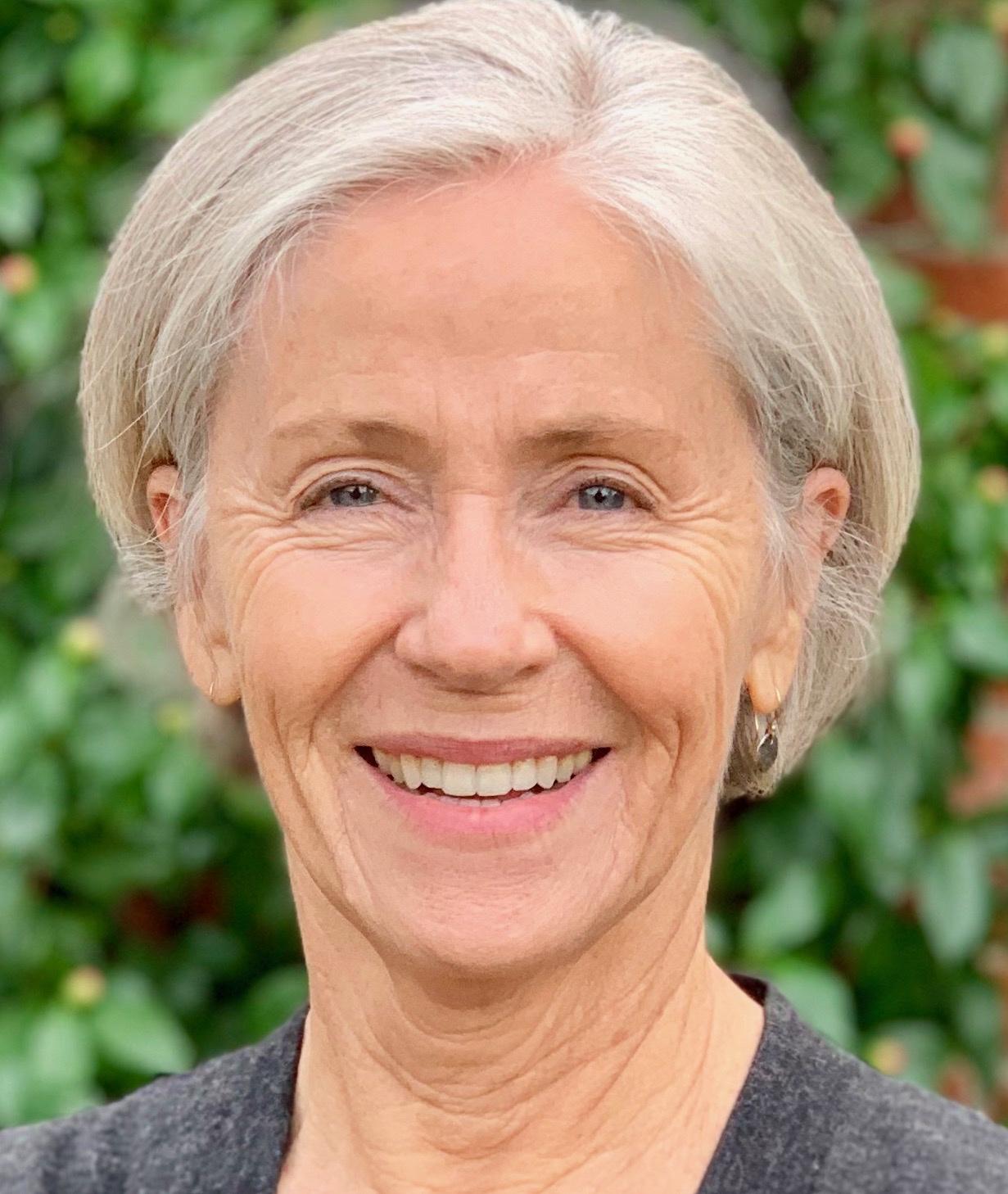
Presenter: Carolyn Williams
This presentation provides organizational tips and procedures for capturing the story behind a photo or document, scanning the image, and then preserving both the physical and digital photos and documents for the next generation.
Carolyn Williams is a family genealogist and recent SMCGS board member. She holds a certificate from the Boston University Genealogical Research program and is a former Silicon Valley technology marketing professional.
And from around the SF Bay Area:
Registration is now open ONLINE at aafhs.com for the 15th Annual African American Genealogy Seminar. Saturday, March 14, 2020.
SEMINAR POSTPONED. PLEASE CONTACT AAFHS
Silicon Valley Computer Genealogy Group March 14, 2020, 9am-11:30am
Join us to learn how to “translate” the records and map the land,
and get some hints about finding the land today.
With Martha Wallace
http://www.svcgg.org/meetings.html
Meeting location: 875 Quince Ave, Santa Clara, CA
Courthouse Docket: Notable Women

https://historysmc.org/events/courthouse-docket-notable-women-0
Santa Clara County Historical & Genealogical Society
General Meeting: “Eco‐History of the Santa Clara Valley: How People Have Shaped the Landscape”
Tuesday, March 17, 6:45 - 8:30 pm
Where: Santa Clara Central Park Library RedwoodRoom
Cristina Siegel
Free and open to all. https://www.scchgs.org/index.html
From the Valley of Hearts Delight to the high‐tech capital of the world, the Santa Clara Valley has gone through tremendous ecological as well as cultural changes. These changes have been shaped by the rich diversity of settlers, people who brought with them their industry, cultures and habits. How did a booming agricultural era, followed by a shift to urbanization affect the landscape, flora and fauna and what are the ecological changes and resulting issues?
Alpine Inn: The Fascinating History of a Local Landmark
· Hosted by Palo Alto Historical Association and Menlo Park Historical Associatio
Sunday, March 8, 2020 at 2:00 PM – 4:00 PM
Palo Alto Historian Steve Staiger will be presenting a history of the Alpine Inn, aka Rossotti’s. Steve will be providing images and stories of the colorful and sometimes contentious past of the historic roadhouse in Portola Valley.
Palo Alto Art Center 1313 Newell Rd, Palo Alto,
With Martha Wallace
http://www.svcgg.org/meetings.html
Meeting location: 875 Quince Ave, Santa Clara, CA
Courthouse Docket: Notable Women
The Museum Auxiliary presents Notable Women in San Mateo County History. The reenactment will focus on local women involved with arts and education.
Sponsored by Cypress Lawn Heritage Foundation.
Date: Saturday, March 14, 2020 - 1:00pm to 2:00pm
Location: Courtroom A, History Museum
Cost: Free with museum admission
Santa Clara County Historical & Genealogical Society
General Meeting: “Eco‐History of the Santa Clara Valley: How People Have Shaped the Landscape”
Tuesday, March 17, 6:45 - 8:30 pm
Where: Santa Clara Central Park Library RedwoodRoom
Cristina Siegel
Free and open to all. https://www.scchgs.org/index.html
From the Valley of Hearts Delight to the high‐tech capital of the world, the Santa Clara Valley has gone through tremendous ecological as well as cultural changes. These changes have been shaped by the rich diversity of settlers, people who brought with them their industry, cultures and habits. How did a booming agricultural era, followed by a shift to urbanization affect the landscape, flora and fauna and what are the ecological changes and resulting issues?

Alpine Inn: The Fascinating History of a Local Landmark
· Hosted by Palo Alto Historical Association and Menlo Park Historical Associatio
Sunday, March 8, 2020 at 2:00 PM – 4:00 PM
Palo Alto Historian Steve Staiger will be presenting a history of the Alpine Inn, aka Rossotti’s. Steve will be providing images and stories of the colorful and sometimes contentious past of the historic roadhouse in Portola Valley.
Palo Alto Art Center 1313 Newell Rd, Palo Alto,
Subscribe to:
Posts (Atom)